

Dealership blog
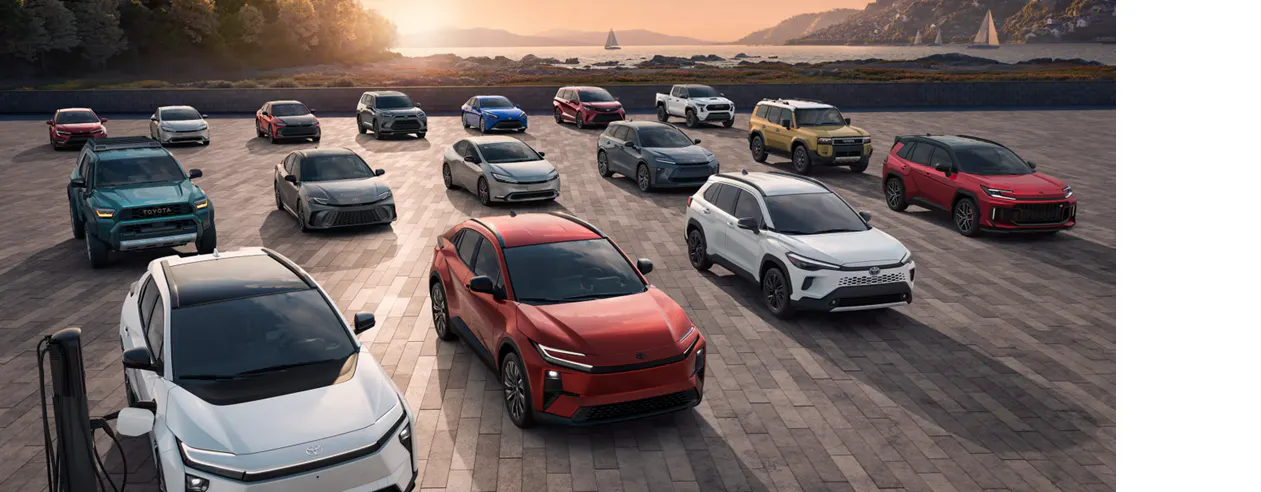
Toyota Electric Vehicles Guide: What Drivers Should Know Before Making the Switch
Electric vehicles have become a bigger part of the automotive conversation over the last decade, but many shoppers are still trying to understand what actually fits their lifestyle. Some drivers are ready for a fully electric vehicle. Others may be better served by a hybrid or plug-in hybrid. Toyota offers options across this spectrum, which makes it easier to compare different electrified vehicles before making a decision.
At Graff Toyota of Chesterton, we know many Northwest Indiana drivers are interested in electric vehicles, but also want practical answers about charging, range, maintenance, long-term ownership, and how Toyota’s electrified lineup works. This guide breaks down the basics so you can better understand your options before choosing your next Toyota.
What Counts as a Toyota Electric Vehicle?
Not every electrified Toyota works the same way. Some use gasoline and electric power together, while others run entirely on electricity. Understanding the difference is important because the right choice depends on how you drive, where you charge, and how much flexibility you want.
| Vehicle Type | How It Works | Best For |
|---|---|---|
| Hybrid | Uses a gasoline engine and electric motor. The battery charges while driving and does not need to be plugged in. | Drivers who want better efficiency without changing their routine. |
| Plug-In Hybrid | Uses both gasoline and electric power, but can also be charged externally for electric-only driving over shorter distances. | Drivers who want electric driving for daily trips with gas backup for longer drives. |
| Battery Electric Vehicle | Runs entirely on electricity and must be plugged in to recharge. | Drivers ready to move away from gasoline and charge at home or public stations. |
Toyota Hybrid Vehicles
Toyota hybrids are often the easiest entry point into electrified driving. They do not require charging, which makes them familiar and convenient for drivers who want improved fuel efficiency without needing to install charging equipment or plan charging stops.
Popular Toyota hybrid models may include the Toyota Camry Hybrid, Corolla Hybrid, RAV4 Hybrid, Grand Highlander Hybrid, Prius, and other hybrid options depending on current inventory and availability. These vehicles are especially practical for commuters, families, and drivers who spend a lot of time in stop-and-go traffic.
Toyota Plug-In Hybrid Vehicles
Plug-in hybrids give drivers more flexibility than a traditional hybrid because they can be charged at home or at a public charging station. For many daily drives, a plug-in hybrid may allow you to use electric power first, then rely on the gasoline engine when needed.
Toyota plug-in hybrid options may include models such as the Prius Plug-In Hybrid and RAV4 Plug-In Hybrid. These vehicles can be a strong fit for drivers who want to reduce fuel use during daily commutes but still want the reassurance of gasoline power for longer trips.
Toyota Battery Electric Vehicles
A battery electric vehicle, often called an EV, does not use gasoline. Instead, it runs entirely on battery power and needs to be plugged in to recharge. Toyota’s current fully electric crossover is the Toyota bZ.
The Toyota bZ is designed for drivers who want a fully electric SUV experience with Toyota practicality. It offers quiet operation, smooth acceleration, modern technology, and the ability to drive without stopping for gasoline. For shoppers who have access to home charging or convenient public charging, the bZ can be a practical option for everyday driving.
How EV Charging Works
Charging is one of the biggest questions shoppers have when they start researching electric vehicles. The good news is that charging becomes much easier to understand once you know the basic levels.
| Charging Type | What It Means | Best Use |
|---|---|---|
| Level 1 Charging | Uses a standard household outlet. | Overnight charging for lower-mileage daily driving. |
| Level 2 Charging | Uses dedicated charging equipment and charges faster than Level 1. | Home charging, workplace charging, and many public charging stations. |
| DC Fast Charging | Available at compatible public charging stations for faster charging. | Road trips and longer drives where quicker charging is needed. |
Can You Charge a Toyota EV at Home?
Yes, home charging is one of the biggest advantages of EV ownership. Many EV drivers charge overnight and begin each day with a charged battery. For lower-mileage drivers, Level 1 charging may be enough. For drivers who want faster charging at home, Level 2 charging equipment is often the more convenient option.
Before purchasing a fully electric vehicle, it is worth considering where you park, whether you can install charging equipment, and how much you drive on a typical day. These practical details matter more than broad EV claims.
Is a Toyota EV Right for Indiana Drivers?
A Toyota EV can be a strong fit for many Indiana drivers, especially those with predictable daily commutes and access to charging at home. For drivers around Chesterton, Valparaiso, Portage, Michigan City, and the surrounding Northwest Indiana area, an EV can make sense for commuting, errands, school drop-offs, and local travel.
Drivers who frequently take long road trips or do not have convenient access to charging may want to compare Toyota hybrid and plug-in hybrid models as well. The right answer is not always “go fully electric.” The best choice is the vehicle that realistically fits your daily routine.
Benefits of Toyota Electric and Electrified Vehicles
- Reduced gasoline use, depending on the vehicle type you choose.
- Smooth and quiet driving experience, especially in fully electric models.
- Potentially lower routine maintenance needs for fully electric vehicles.
- Strong options for commuters and daily drivers.
- Multiple electrified options, including hybrid, plug-in hybrid, and fully electric models.
Things to Consider Before Buying a Toyota EV
Before choosing a Toyota EV, think through how you actually drive. A fully electric vehicle can be an excellent fit, but charging access and daily mileage should be part of the decision.
- How many miles do you drive each day?
- Can you charge at home?
- Do you often take long road trips?
- Would a hybrid or plug-in hybrid provide more flexibility?
- Are there convenient public charging stations near your regular routes?
Toyota Hybrid vs Plug-In Hybrid vs EV: Which Should You Choose?
A Toyota hybrid may be the best fit if you want better efficiency without plugging in. A plug-in hybrid may be right if you want some electric-only driving but still want gasoline backup. A fully electric Toyota bZ may be the right choice if you are ready to charge regularly and want to move away from gasoline altogether.
There is no single best answer for every driver. The best Toyota electrified vehicle is the one that fits your commute, charging access, budget, and long-term ownership goals.
Shop Toyota Electric and Electrified Vehicles Near Chesterton, IN
If you are considering a Toyota hybrid, plug-in hybrid, or fully electric vehicle, Graff Toyota of Chesterton can help you compare available options and understand which model may fit your driving habits. Whether you are interested in the Toyota bZ, a Toyota hybrid SUV, or a fuel-efficient Toyota sedan, our team can help you review features, charging considerations, financing options, and available inventory.
Visit Graff Toyota of Chesterton to learn more about Toyota electric vehicles and explore available inventory today!
Frequently Asked Questions About Toyota Electric Vehicles
What electric vehicles does Toyota make?
Toyota’s current fully electric vehicle is the Toyota bZ. Toyota also offers a wide range of electrified vehicles, including hybrids and plug-in hybrids such as the Prius, Prius Plug-In Hybrid, RAV4 Hybrid, RAV4 Plug-In Hybrid, Camry Hybrid, Corolla Hybrid, and Grand Highlander Hybrid.
Is the Toyota bZ fully electric?
Yes. The Toyota bZ is a fully electric crossover SUV that runs on battery power and does not use a gasoline engine.
How long does it take to charge a Toyota EV?
Charging time depends on the charger type, battery level, and vehicle configuration. Level 1 charging is the slowest option, Level 2 charging is commonly used for home charging, and DC fast charging can provide a quicker charge at compatible public stations.
What is the difference between a hybrid and an electric vehicle?
A hybrid uses both a gasoline engine and an electric motor, and it does not need to be plugged in. A fully electric vehicle runs only on electricity and must be charged using an external power source.
Does the Toyota bZ have all-wheel drive?
The Toyota bZ is available with all-wheel drive on select configurations, giving drivers added traction and confidence in changing road conditions.
Can I charge a Toyota EV at home?
Yes. Toyota EV owners can charge at home using Level 1 charging through a standard outlet or Level 2 charging with installed home charging equipment.
Is a Toyota EV good for road trips?
A Toyota EV can work well for road trips when charging stops are planned in advance. Drivers who frequently take long trips and want extra flexibility may also want to compare Toyota hybrid and plug-in hybrid options.
How much maintenance does an electric vehicle require?
Electric vehicles typically require less routine engine maintenance than gasoline vehicles because they do not need oil changes and have fewer moving parts. However, EVs still need regular tire service, brake inspections, battery system checks, cabin air filter replacements, and other routine maintenance.